Why Stickies Should be Avoided
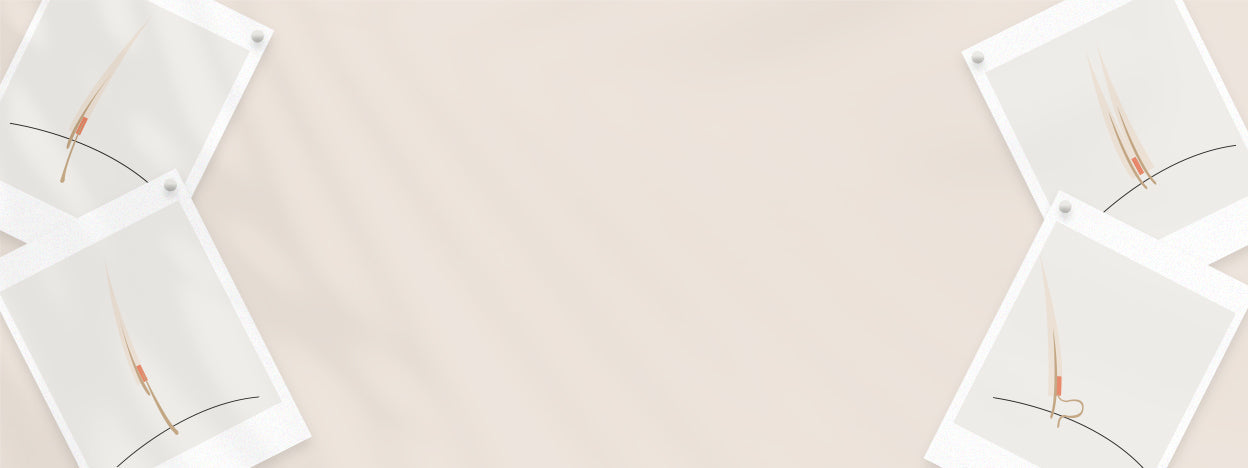

Table of Contents
Eyelash Extension Stickies: What They Are and How to Prevent Them
A beautiful lash set starts with careful application, and that includes making sure every natural lash can move independently. Eyelash extension stickies happen when neighbouring lashes become bonded together during treatment. They can be easy to overlook, especially when a fine baby lash is caught beneath an extension.
Understanding how stickies form, recognising the different types and checking your work thoroughly will help you deliver comfortable lash sets while protecting your clients’ natural lashes.
What Are Eyelash Extension Stickies?
A stickie is an unintended adhesive bond between lashes that should remain separate. This might involve two extensions attached to different natural lashes, a small natural lash stuck to a neighbouring extension, or two natural lashes bonded together by leftover adhesive.
For classic lashes, one extension should be attached to one isolated natural lash. For volume lashes, each fan should also be attached to one isolated natural lash. The individual fibres within a volume fan sharing a base are intentional; that fan becoming attached to a second natural lash is a stickie.
The Three Types of Lash Stickies
1. A Baby Lash Stuck to an Extension
This can be one of the most difficult types to spot. A short, fine natural lash becomes caught in the adhesive on an extension attached to a neighbouring lash.
Because the baby lash may sit underneath the extension or within another lash layer, the set can look tidy from above while still containing an unwanted attachment. Check the surrounding natural lashes carefully, including those you have not extended.
2. Two Extensions Stuck Together
This happens when extensions attached to separate natural lashes become bonded to each other. It may occur if neighbouring extensions touch while their adhesive is still setting, or if excess glue spreads beyond the intended attachment area.
These stickies are often easier to identify because the extensions move together when you inspect them. However, you still need to check the attachment points to establish which natural lashes are involved.
3. Two Natural Lashes Stuck Together
Stickies can also occur without an extension remaining in place. For example, removing or repositioning an extension during application may leave adhesive on the natural lash, which can then bond to a neighbouring lash.
This is why your final check should include every natural lash, rather than only the extensions you have applied.

Why Should Stickies Be Avoided?
Natural lashes grow and shed at different stages. When neighbouring lashes are bonded together, they cannot move independently. As one grows or sheds, it can pull on another, creating tension and discomfort.
Stickies may contribute to twisting, breakage or premature lash loss. A growing baby lash caught against a longer lash can also affect the direction of the extension, making the set look less neat as it grows out.
For your client, that tension may feel like pulling or pinching. For your business, an uncomfortable treatment can undermine confidence in your work, even when the finished styling looks beautiful. Thorough isolation and checking are essential parts of a professional lash service.
What Causes Eyelash Extension Stickies?
Several application habits can increase the likelihood of lashes becoming bonded together:
- Incomplete isolation, particularly around fine baby lashes or between lash layers.
- Using too much adhesive, allowing it to spread onto neighbouring lashes.
- Releasing isolation before the attachment is sufficiently stable.
- Working on adjacent lashes before the previous attachment has had time to set.
- Using an adhesive whose setting speed does not suit your working pace or room conditions.
- Leaving residual adhesive behind when repositioning or removing an extension.
How to Prevent Lash Stickies
Isolate Each Natural Lash Carefully
Before placing an extension or fan, make sure the chosen natural lash is fully separated from its neighbours. Look above and below the attachment area, rather than checking only the lashes immediately beside it.
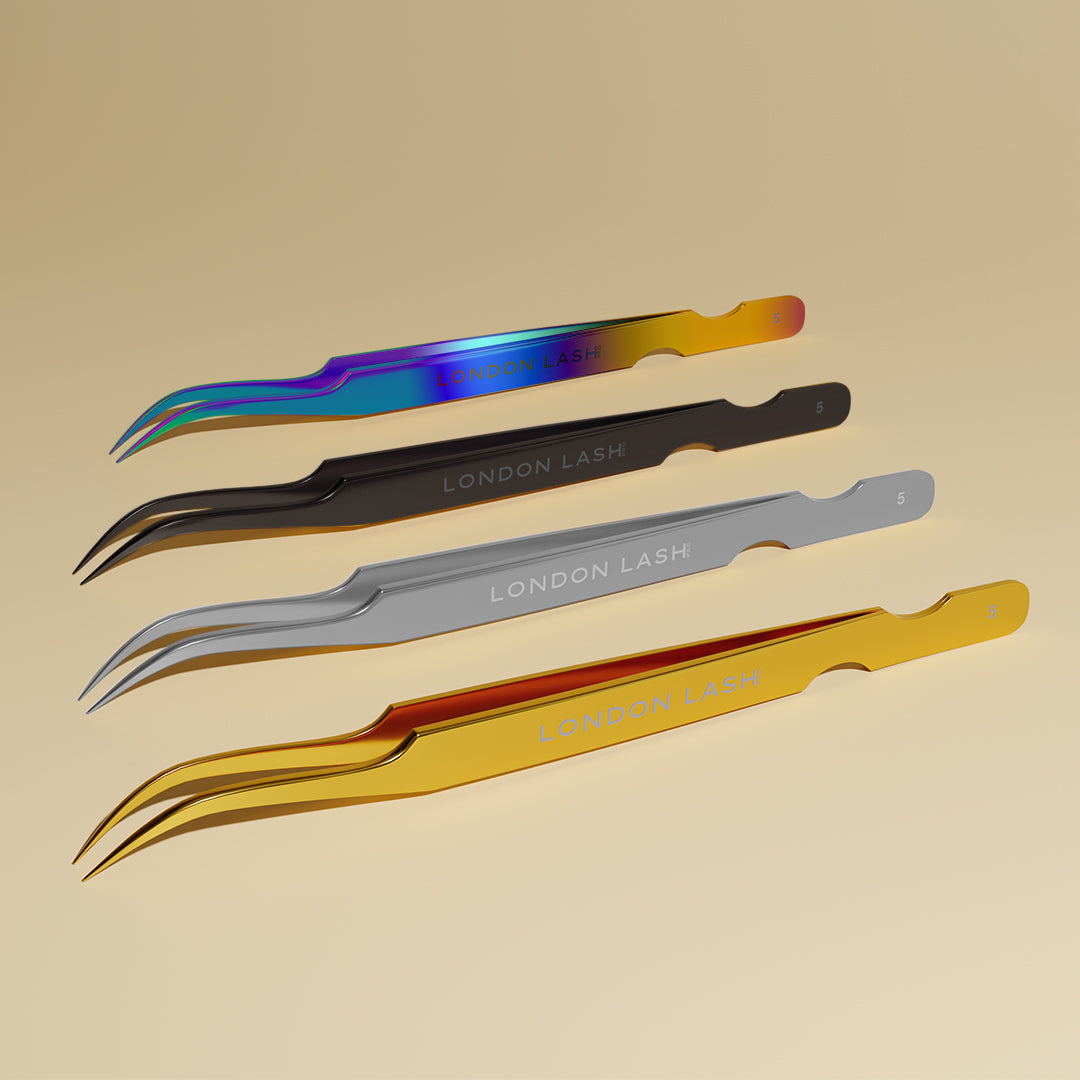
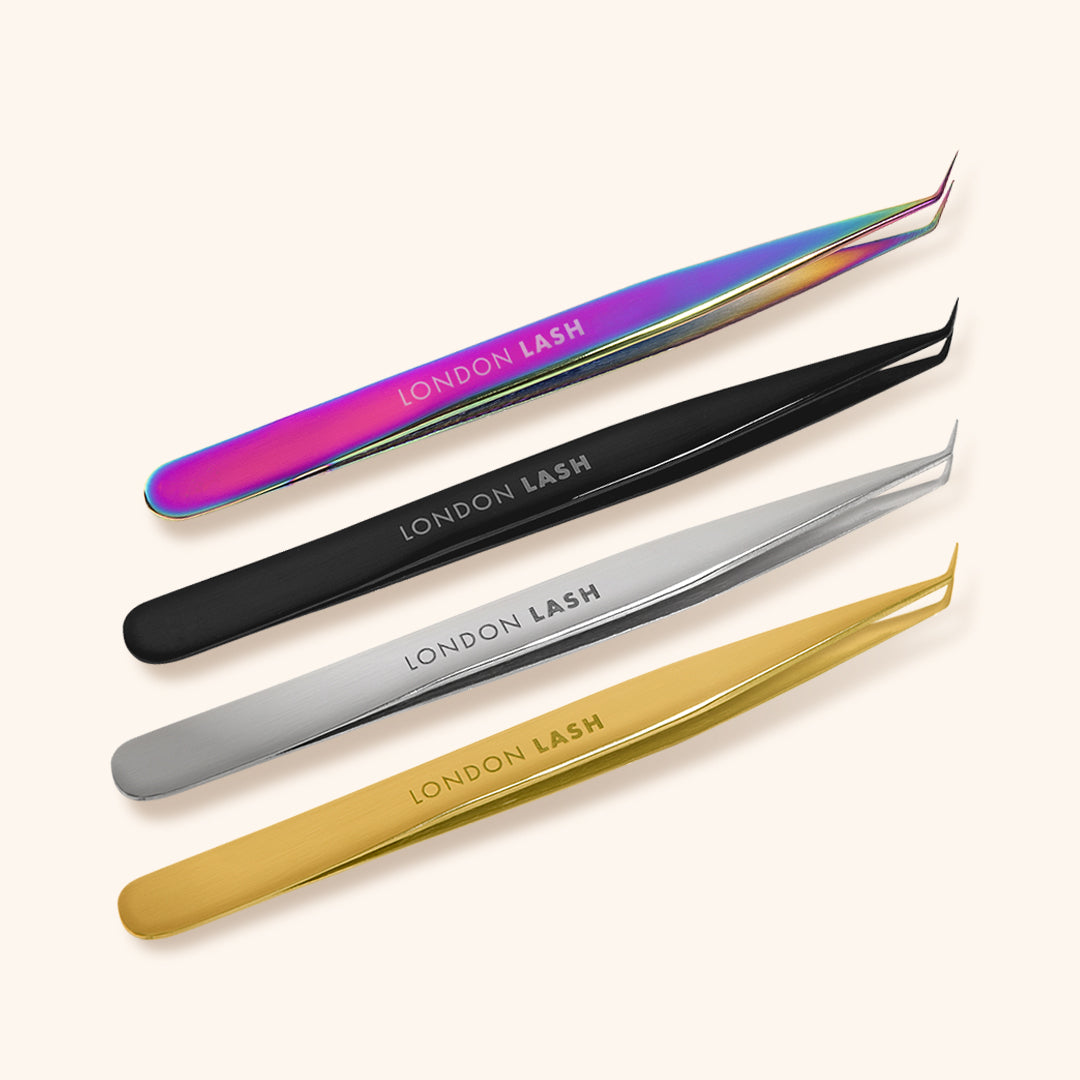
Choose isolation tweezers that give you a clear view and comfortable control. Maintain isolation until the attachment is stable enough that neighbouring lashes will not become caught in the adhesive.
Work With the Lash Layers
Natural lashes grow in multiple layers, which means a lash that appears isolated from above may still have another lash sitting beneath it.
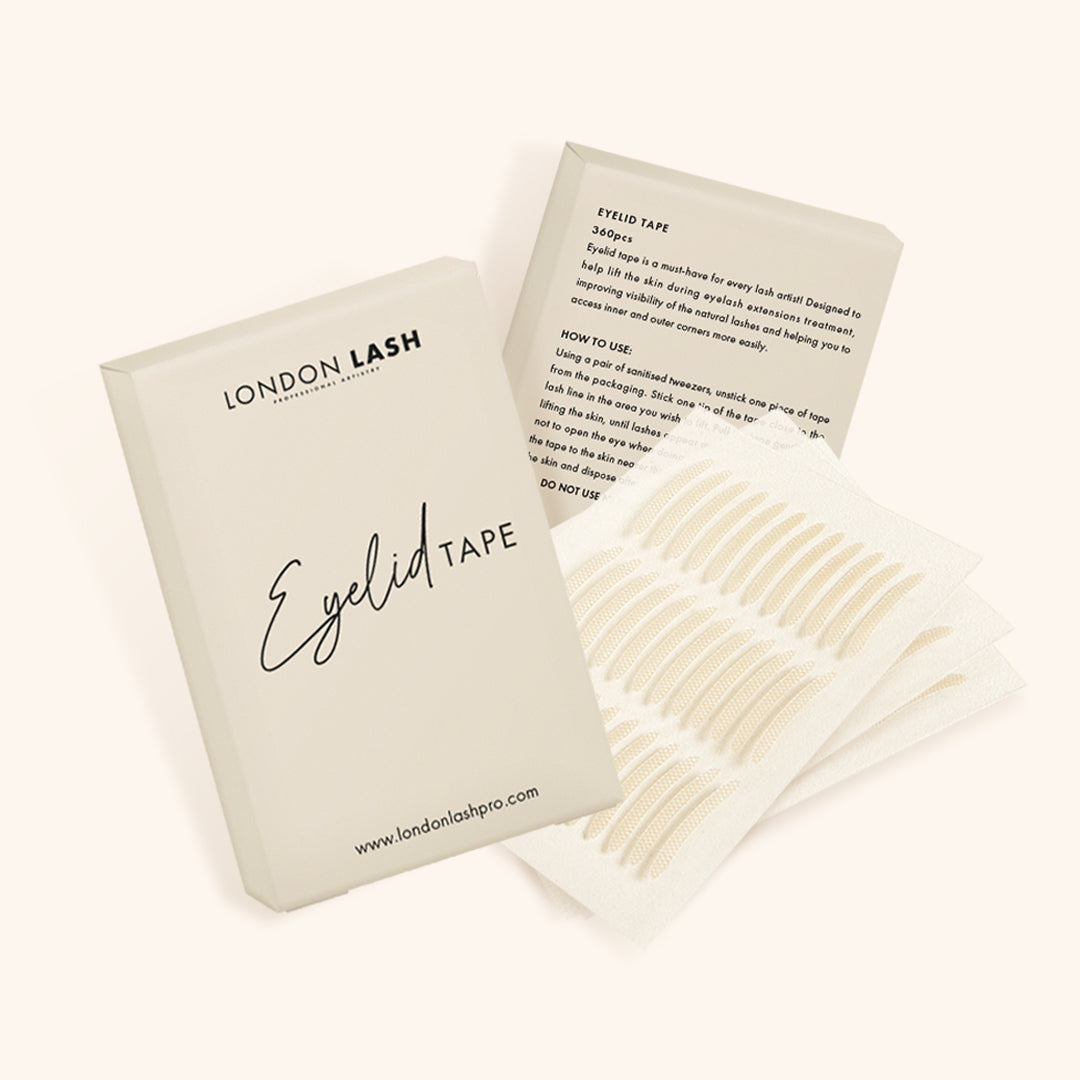
Using appropriate lash tape and eye patches can help you organise the lashes and improve visibility. Follow the techniques taught in your professional training, keeping the client’s eyes fully closed and checking that tape and patches remain comfortably positioned.
Our guide to working with lash layers explains how understanding the layers can also improve the finished appearance of your sets.
Control the Amount of Adhesive
Use enough adhesive to create a secure attachment without leaving a large bead that can spread onto surrounding lashes. The appropriate amount depends on your extension or fan base and the adhesive you are using.
Consistent dipping helps you control the attachment area. If you frequently notice excess glue, review your technique rather than trying to compensate by separating lashes later. Read our guide to dipping eyelash extensions in lash glue for more application advice.
Match Your Adhesive to Your Working Conditions
An adhesive that sets too slowly for your working pace can leave more opportunity for neighbouring lashes to become attached. However, choosing the fastest glue available is not automatically the answer: it must also allow enough time for accurate placement.
Select your eyelash extension adhesive according to its recommended temperature and humidity range, your room conditions and your application speed. Monitor conditions throughout the appointment and follow the manufacturer’s instructions.
Leave Space Between Fresh Attachments
Applying an extension and immediately moving to the lash beside it can increase the chance of contact before the first attachment has set.
A framework technique, sometimes called the “carcass” method, involves placing extensions at spaced points across the lash line before filling the gaps. Alternating between sections and both eyes gives fresh attachments more time to stabilise while helping you build the set evenly.
The spacing and timing should suit your adhesive and technique. The aim is to avoid disturbing freshly applied extensions or bringing neighbouring lashes into contact with adhesive that is still setting.
How to Check for Stickies
Build checking time into every full set and infill appointment. Allow at least 10 minutes as a starting point, with additional time whenever needed to inspect the lashes thoroughly and correct any unwanted attachments.
- Work methodically from the inner corner to the outer corner so that no section is missed.
- Inspect each lash from the attachment area towards the tip using your tweezers and clear lighting.
- Check that neighbouring natural lashes can move independently.
- Look closely for short baby lashes caught beneath extensions or fan bases.
- Inspect between the lash layers, including natural lashes without extensions.
- Recheck any area where you have repositioned an extension or corrected a stickie.
Brushing through the set can help you assess the styling, but it does not replace a detailed isolation check. Small attachments close to the base may remain hidden even when the lashes brush neatly.

What Should You Do If You Find a Stickie?
Identify the lashes involved and correct the unwanted attachment using the separation or removal technique covered in your professional training. Work carefully and avoid pulling against the natural lashes.
If an attachment resists gentle separation, do not force it. Follow the appropriate professional removal procedure and the product manufacturer’s instructions, then reassess the natural lashes before continuing.
Once corrected, check the surrounding lashes again. Finding several stickies in one area is also a useful prompt to review your isolation, adhesive quantity and working sequence before applying more extensions.
Frequently Asked Questions About Lash Stickies
Can Stickies Happen With Classic, Hybrid and Volume Lashes?
Yes. Stickies can occur with any lash extension technique when neighbouring natural lashes become unintentionally bonded together. Every extension or volume fan needs its own correctly isolated natural lash.
Are Baby Lash Stickies Always Easy to See?
No. Fine baby lashes can be hidden underneath extensions or between layers. Inspecting the attachment area from different angles and checking every natural lash helps you find these smaller attachments.
Does Faster Lash Glue Prevent Stickies?
A suitable setting speed can help, but adhesive choice alone cannot prevent stickies. Careful isolation, controlled dipping, an appropriate application sequence and a thorough final check are all necessary.
Will a Bonder Fix Stickies?
A bonder does not separate lashes that have already become attached. Identify and correct stickies before finishing the treatment, and use any finishing product according to its instructions.
What Should a Client Do If Their Lashes Feel Stuck Together?
Ask the client to contact their lash technician for an assessment. They should avoid pulling, picking or trying to separate the lashes themselves, as this may damage their natural lashes.
Make Stickie Checks Part of Every Appointment
Precise isolation, controlled adhesive use and a methodical check all contribute to a comfortable, professional lash set. Give your final inspection the same attention as your mapping and application, so your clients leave with lashes that look beautiful and can move independently.
Check out these featured products